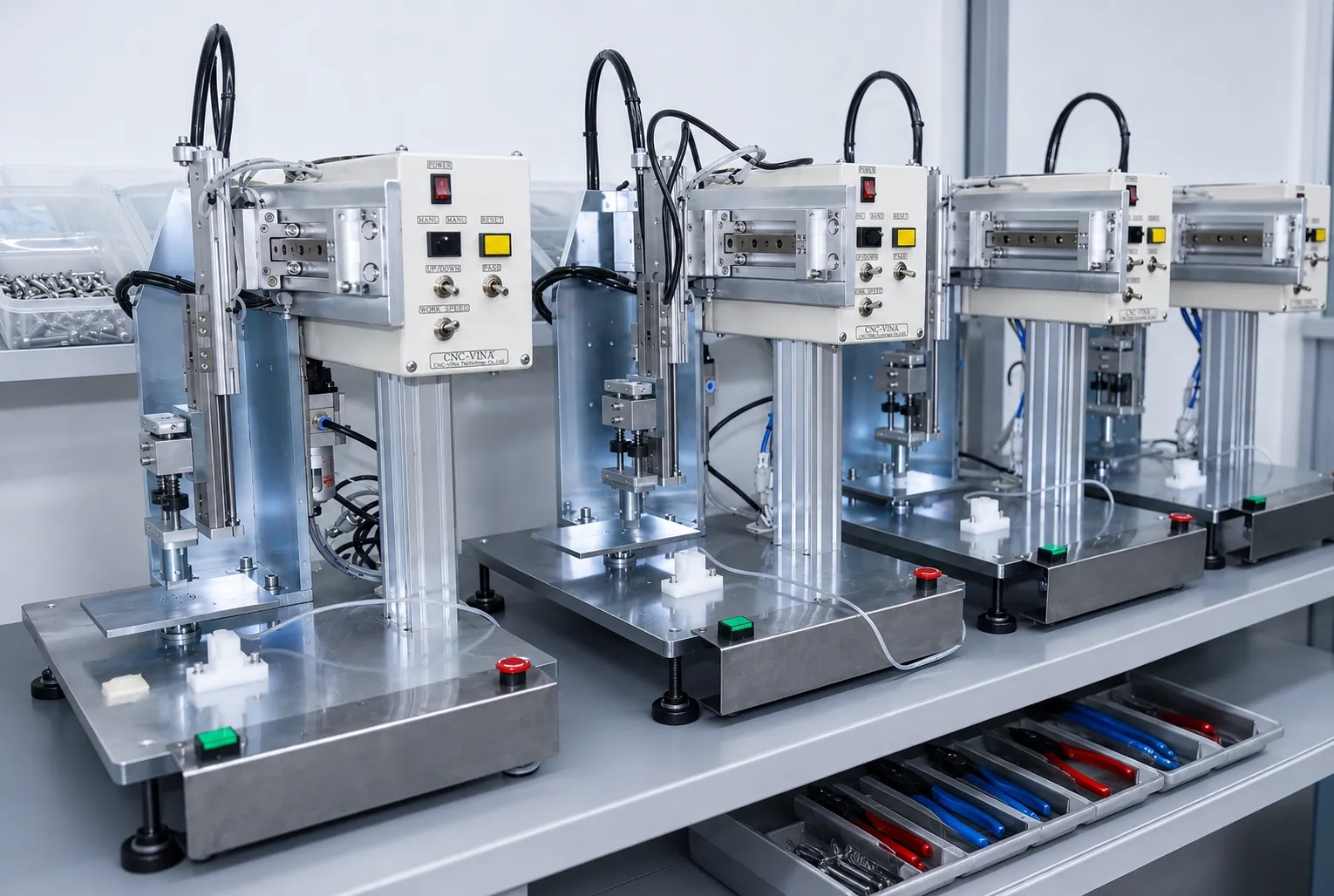
Speaker diaphragm pressing machine
may_ep_mang_loa2-large
may_ep_mang_loa3-large
ung_dung_cua_may_ep_mang_loa-large

Speaker diaphragm pressing machine

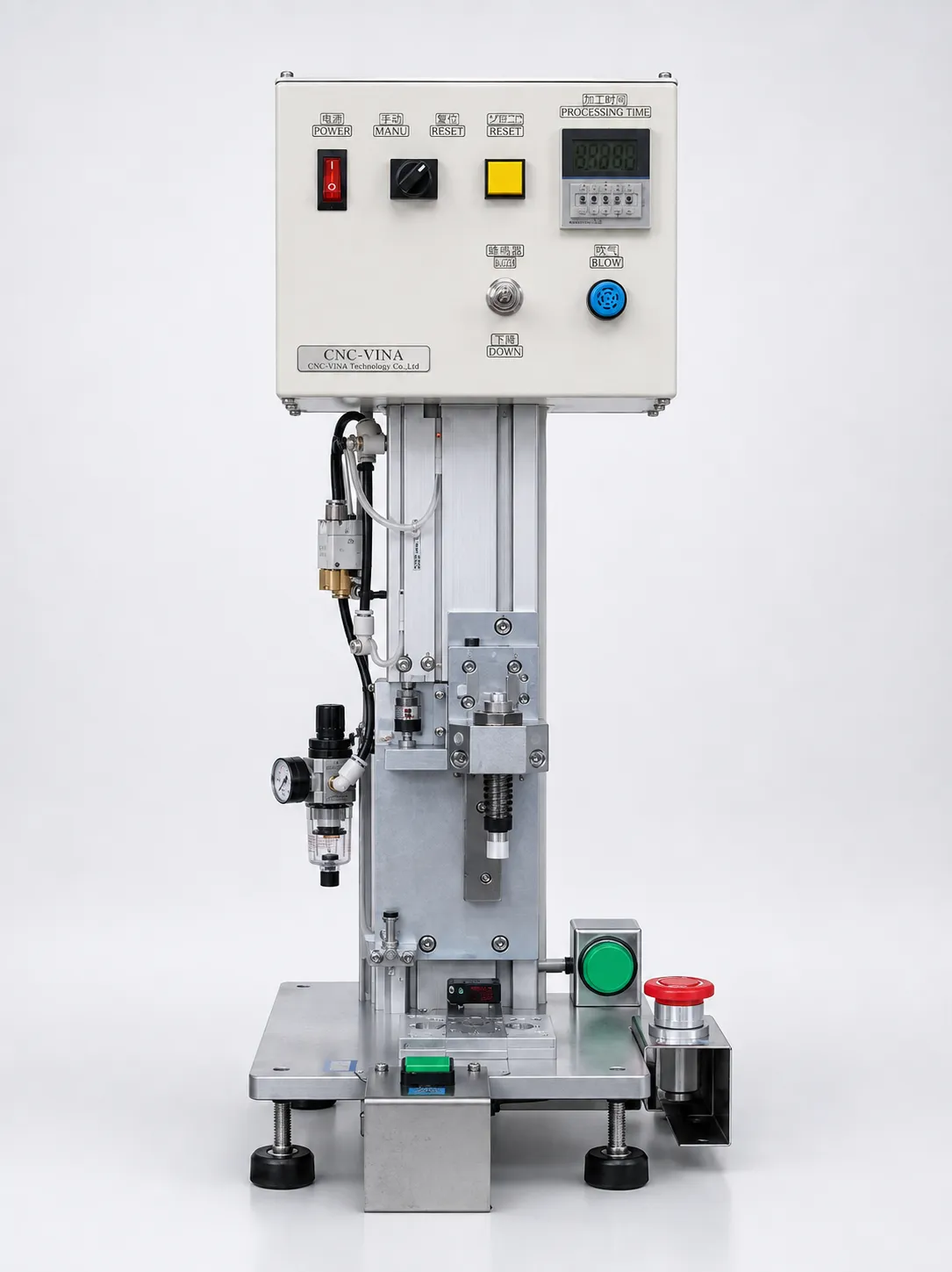
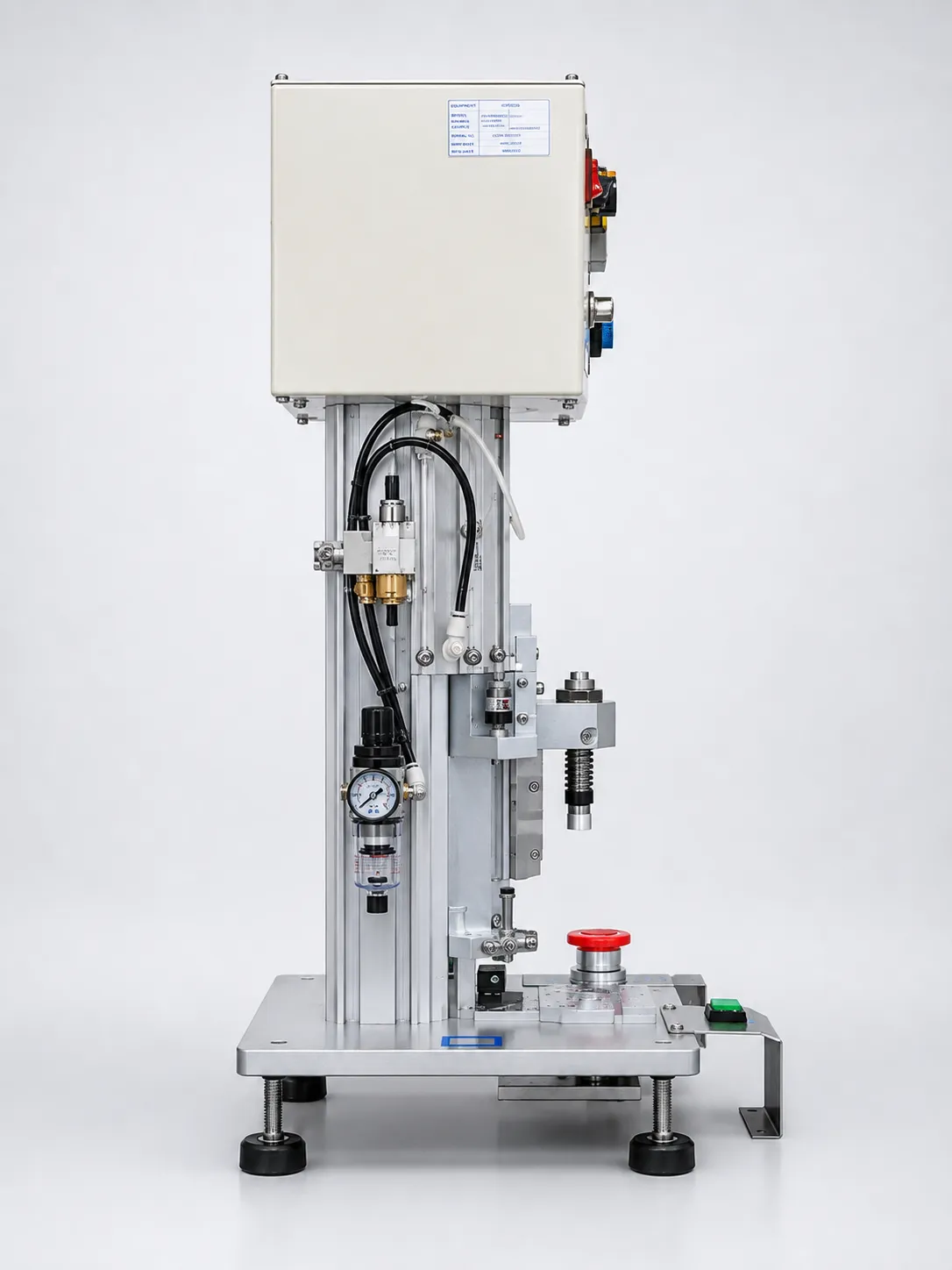
Speaker diaphragm pressing machine is a specialized piece of equipment used in the forming process of speaker diaphragms, also known as diaphragms, which are one of the key components directly influencing the sound quality of the finished speaker. The machine uses a dedicated pressing mold combined with mechanical pressing force and, in many applications, controlled temperature to form an initial thin sheet of diaphragm material into a finished speaker diaphragm with the specified profile, depth, and curvature. This forming process helps ensure that the diaphragm can vibrate accurately during speaker operation and reproduce sound according to the required acoustic performance.

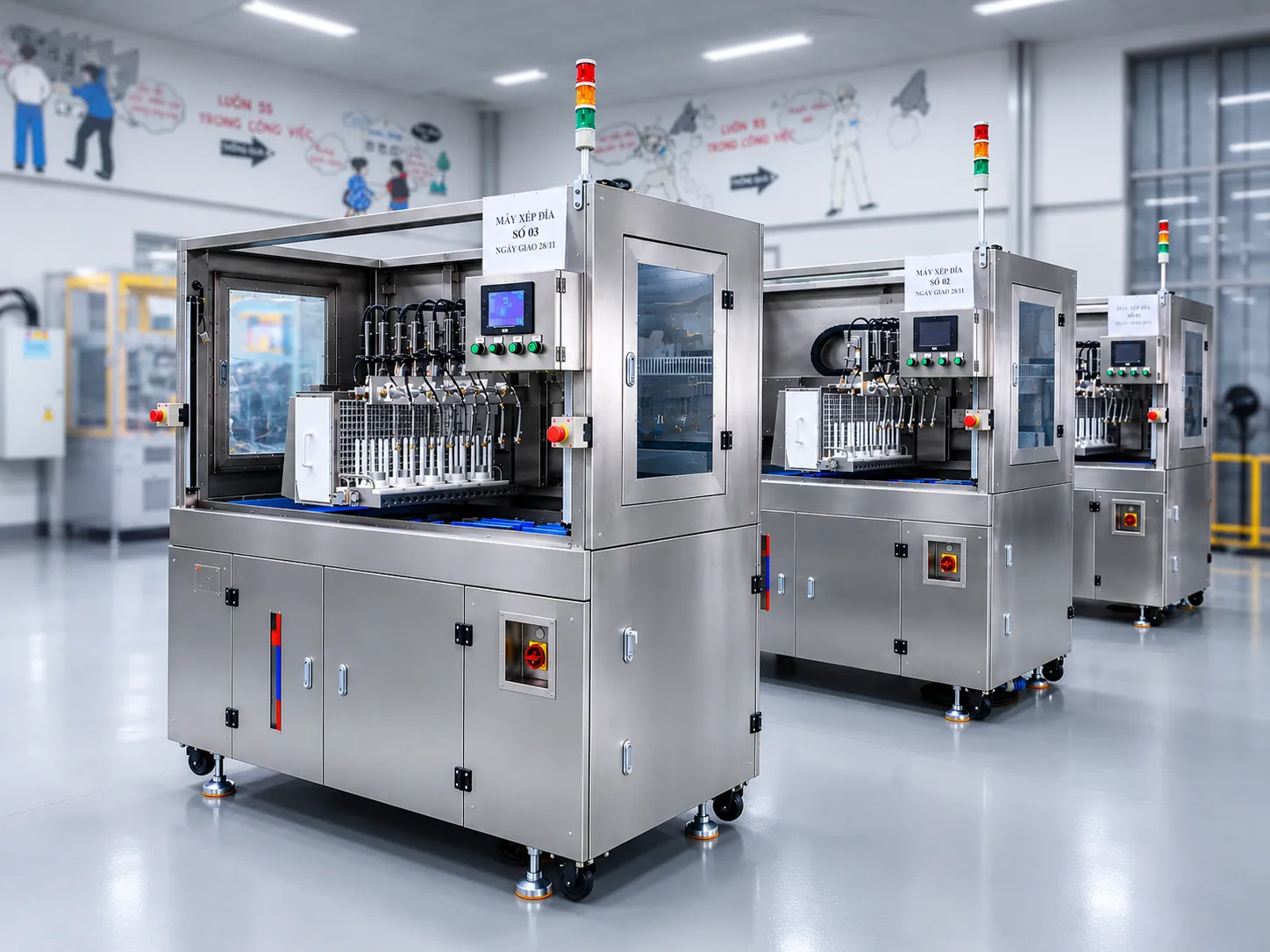
The speaker diaphragm pressing machines designed and manufactured by CNC VINA are developed based on the actual requirements of each customer in the electronic components and audio equipment manufacturing industries. With extensive experience in the design and manufacturing of specialized pressing machines, CNC VINA does not apply a fixed machine configuration to every customer. Instead, the pressing mold, pressing force, stroke, and pressing time are carefully calculated and configured according to the specific diaphragm material, product dimensions, and technical requirements of each production line.

VIETNAM CNC & TECHNOLOGY APPLICATION JOINT STOCK COMPANY

​Hotline: +84.916 63 9355 / +84.915 74 4664

Email: Sales01@cncvina.com.vn / Sales03@cncvina.com.vn

Product description

Introduction to Speaker Diaphragm Pressing Machine

A speaker diaphragm pressing machine is a specialized piece of equipment used in the forming process of speaker diaphragms, also known as diaphragms, which are one of the key components directly influencing the sound quality of the finished speaker. The machine uses a dedicated pressing mold combined with mechanical pressing force and, in many applications, controlled temperature to form an initial thin sheet of diaphragm material into a finished speaker diaphragm with the specified profile, depth, and curvature. This forming process helps ensure that the diaphragm can vibrate accurately during speaker operation and reproduce sound according to the required acoustic performance.

The speaker diaphragm pressing machines designed and manufactured by CNC VINA are developed based on the actual requirements of each customer in the electronic components and audio equipment manufacturing industries. With extensive experience in the design and manufacturing of specialized pressing machines, CNC VINA does not apply a fixed machine configuration to every customer. Instead, the pressing mold, pressing force, stroke, and pressing time are carefully calculated and configured according to the specific diaphragm material, product dimensions, and technical requirements of each production line.
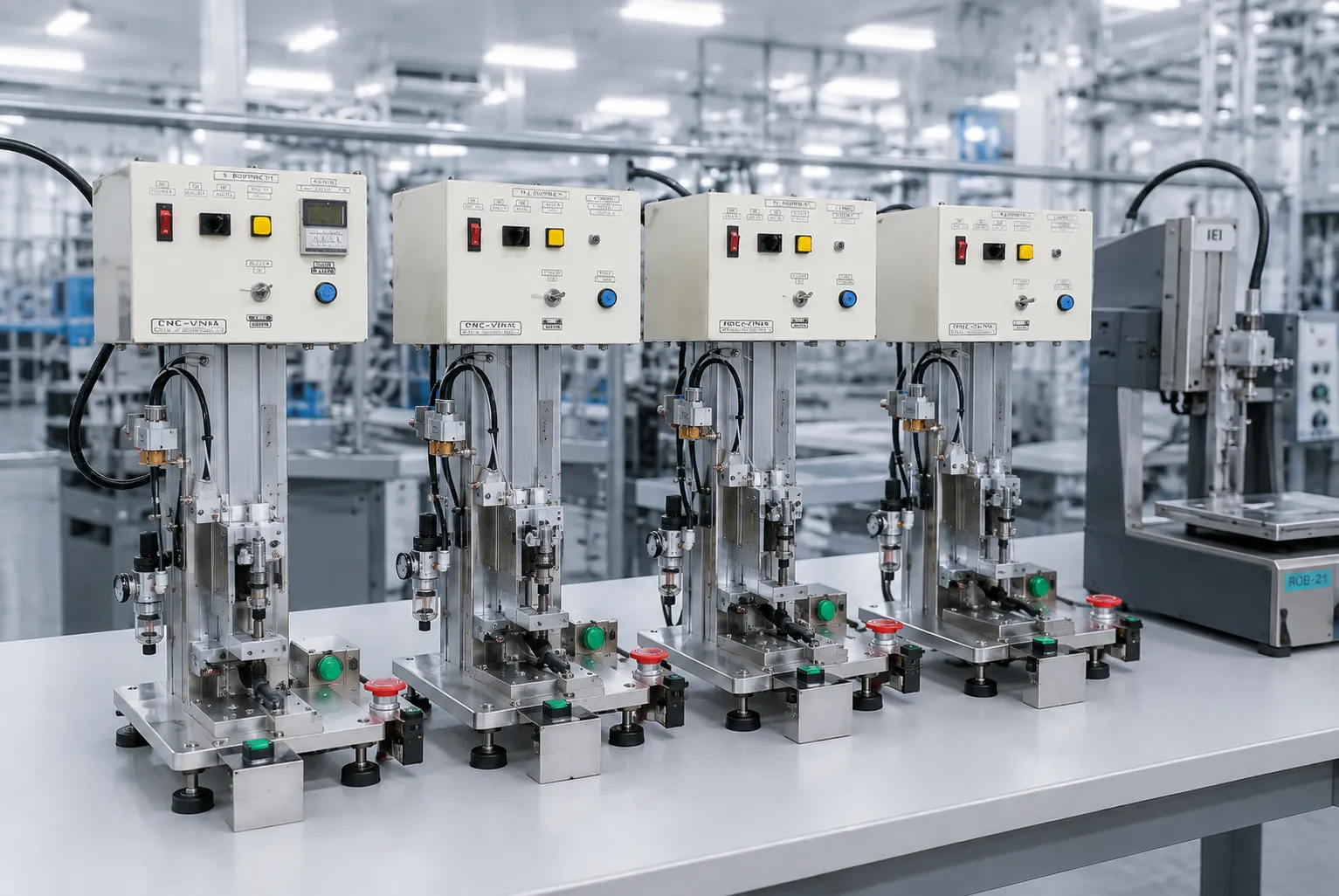
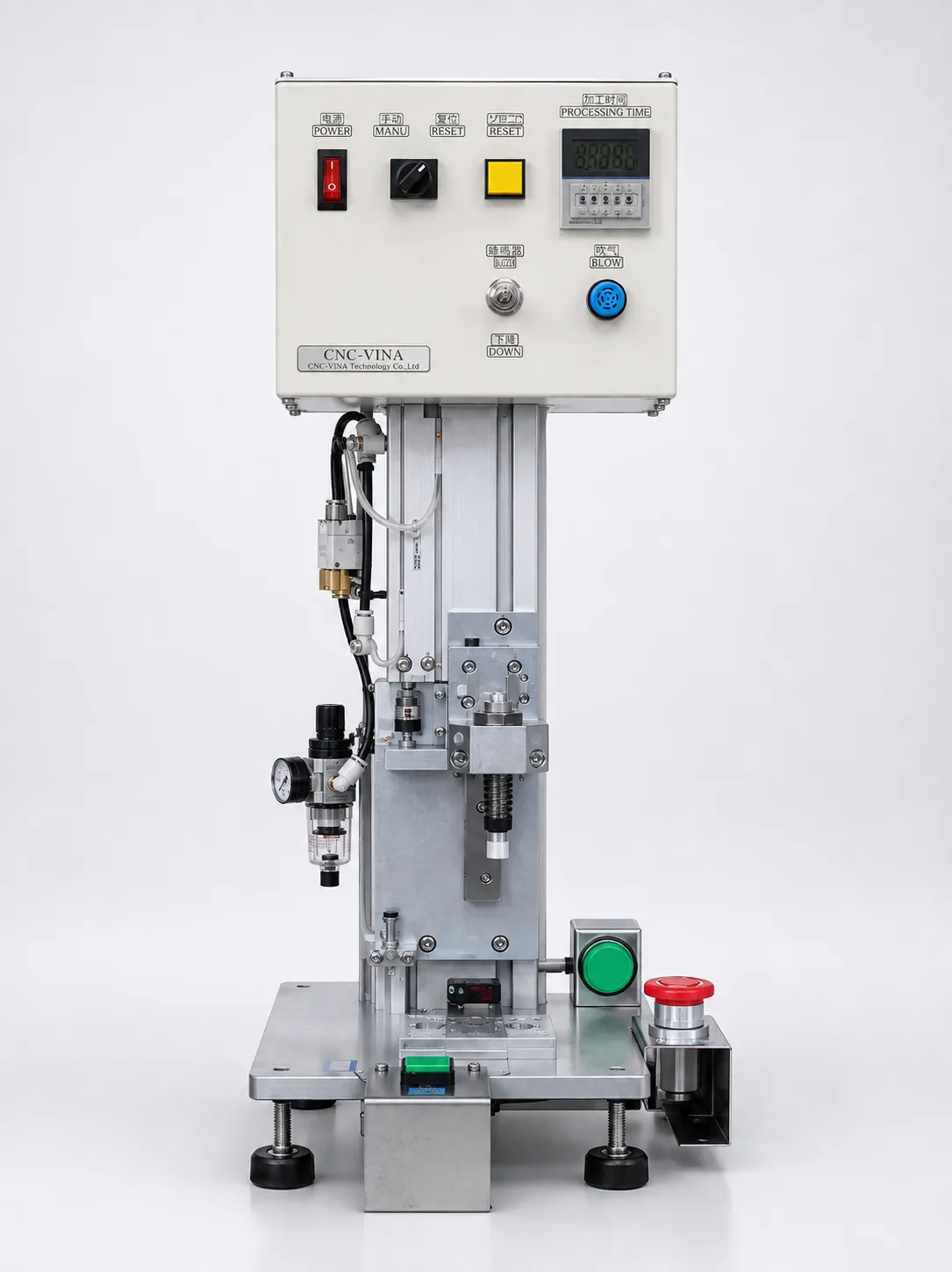
Speaker Diaphragm Pressing Machine


Operating principle of a Speaker Diaphragm Pressing Machine

The operating principle of a speaker diaphragm pressing machine is based on the use of pressing molds with a negative profile corresponding to the required shape of the speaker diaphragm. In general, the upper and lower molds are precision-machined according to the design drawings and specifications of each speaker model. During operation, the flat diaphragm material, which may be pressed paper, PP, PET, or other specialized polymer materials depending on the required acoustic performance, is placed between the two mold sections. The upper mold then moves downward along the preset stroke, applying uniform pressing force across the entire surface of the material. For materials that require high-temperature forming to achieve better structural stability, the pressing mold can also be equipped with an integrated heating system. The controlled heating process softens the material during pressing, allowing the diaphragm to conform closely to the mold profile while minimizing the risk of cracking, surface defects, or localized deformation.

Once the specified pressing force and dwell time have been reached, the pressing mold opens and the formed speaker diaphragm is removed from the mold. The finished diaphragm can then be transferred to subsequent processing stages in the speaker assembly process.

Operating principle of a Speaker Diaphragm Pressing Machine
 

Pressing mold assembly

The pressing mold is the component that directly determines the shape and quality of the finished speaker diaphragm. It is precision-machined according to the technical drawings and specifications provided for each speaker model. Mold accuracy directly affects the consistency of the diaphragm profile from one product to another. Therefore, the mold is typically manufactured from high-hardness, high-strength materials that can withstand repeated pressing forces over extended periods without deformation.

Pressing force and drive system

This system is responsible for generating stable and precise pressing force on the mold. Depending on the required pressing force for each material and diaphragm size, the machine may use pneumatic cylinders or hydraulic cylinders. The pressing stroke, upper mold movement speed, and pressing force can be adjusted according to the characteristics of each material. This helps prevent excessive pressure that could cause the diaphragm to tear, as well as insufficient pressure that could result in an improperly formed profile.

Heating System

For machines designed to form materials that require elevated temperatures, the heating system can be integrated directly into the mold or pressing platen. This allows the temperature to be maintained at a stable level throughout the pressing process, ensuring that the material reaches the required level of flexibility without overheating, burning, or undergoing material degradation.

PLC Control System

The machine is equipped with a PLC control system, allowing operators to set and store key operating parameters such as pressing force, mold stroke, temperature, and dwell time for each type of speaker diaphragm. When switching production between different speaker models, operators can simply recall the corresponding saved program instead of manually adjusting the machine from the beginning. This helps reduce changeover time and minimize operating errors during production.

Machine Frame

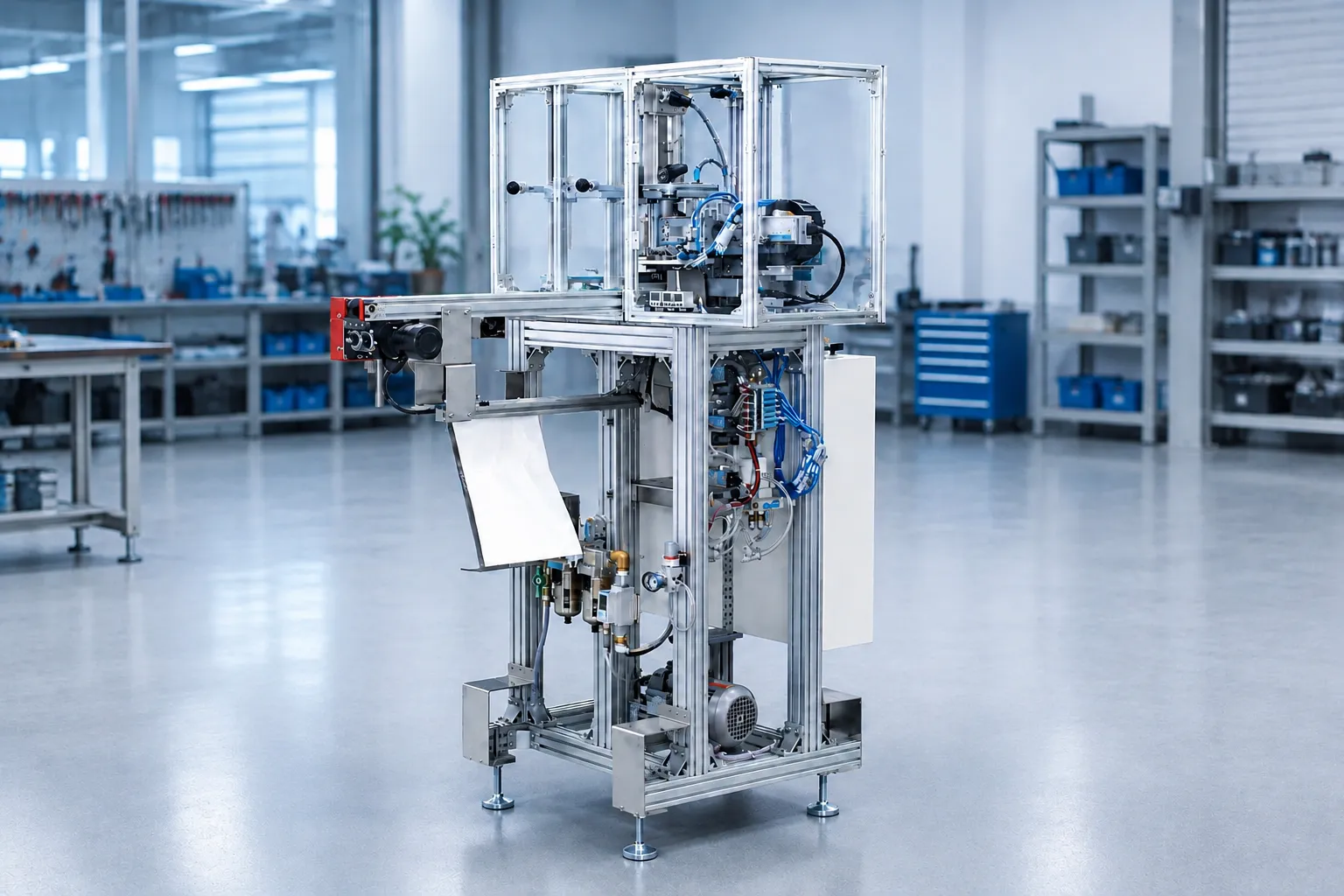
The machine frame is designed with a rigid structure to withstand repeated pressing forces over extended periods without excessive vibration or mold position deviation. The overall machine dimensions can be optimized to provide a compact footprint, making the equipment suitable for electronic component manufacturing facilities where floor space is limited and a clean, organized production environment is required.

Speaker Diaphragm Pressing Machine Operating Process

Step 1: Mold and Material Preparation

The pressing mold is inspected and installed in the correct position on the machine. At the same time, the flat diaphragm material is inspected for thickness and surface condition to ensure that it is free from defects before pressing. Operating parameters such as pressing force, temperature, and dwell time are set on the PLC controller according to the program corresponding to the diaphragm being produced.

Step 2: Loading the Material into the Mold

The diaphragm material is placed in the correct position on the lower mold and accurately aligned with the mold profile. Proper positioning helps prevent issues such as misalignment, off-center forming, or material wrinkling during the pressing process.

Step 3: Forming and Pressing

The upper mold moves downward according to the preset stroke and applies uniform pressing force to the material. For materials that require heating, the heating system operates simultaneously throughout the pressing process to soften the material and allow the diaphragm to conform closely to the mold profile.

Step 4: Mold Dwell and Profile Stabilization

Once the required pressing force has been reached, the mold remains in the closed position for the preset dwell time. This allows the material to fully stabilize according to the mold profile before demolding, helping prevent the diaphragm from partially returning to its original shape after being removed from the mold.

Step 5: Demolding and Finished Product Inspection

The upper mold moves upward, and the formed speaker diaphragm is removed from the lower mold. The finished product is then visually inspected for profile uniformity and forming accuracy before being transferred to subsequent assembly processes in the speaker production line.

Applications of Speaker Diaphragm Pressing Machines

Speaker diaphragm pressing machines are primarily used in the electronic components manufacturing and assembly industry, supporting the production of a wide range of audio products. In the manufacturing of smartphone speakers and other mobile devices, the machine is used to form compact diaphragms that require high dimensional accuracy due to limited installation space.

For laptop speakers, Bluetooth speakers, and earphones, the pressing machine helps produce diaphragms with consistent profiles across large production volumes, contributing to stable and uniform acoustic performance. In addition, speaker diaphragm pressing machines can be applied to the production of home audio equipment and automotive speakers, where diaphragm durability and forming accuracy are subject to more stringent requirements due to continuous operation and demanding working conditions.

Applications of Speaker Diaphragm Pressing Machines