
 Tiếng
Việt
Tiếng
Việt
 Tiếng
Anh
Tiếng
Anh
 Tiếng
Nhật
Tiếng
Nhật




 Tiếng Anh


Car seat assembly jig
CNC VINA manufactures car seat assembly jigs upon request with high precision. Jigs combined with assembly lines help improve productivity and increase profits.
Specialized jigs for car seat assembly are responsible for fixing the structural frame of the seat. Helping assemblers to assemble cushion components, seat belts, leather upholstery, electrical systems, etc. easy and fast. Fixtures for each type of seat (driver's seat, passenger seat, double seat, rear seat...) are designed and manufactured to help change flexibly and quickly. In the production and assembly line, when combining jigs on automatic conveyors, the jigs are passed through each stage with a certain cycle time to help reduce downtime between stages and improve productivity.
VIETNAM CNC & TECHNOLOGY APPLICATION JOINT STOCK COMPANY
Hotline: +84.916 63 9355 / +84.915 74 4664
Email: Sales01@cncvina.com.vn / Sales03@cncvina.com.vn
Product description

Car seat assembly jig is equipment used to position, secure, and hold components during the assembly process, helping operators perform assembly tasks more conveniently and accurately. In manufacturing, the use of a suitable jig helps standardize operations, minimize deviations, and maintain consistency among products. Depending on the structure and requirements of each seat type, the jig can be designed with various positioning, clamping, rotating, and operator-assistance mechanisms. In addition to accuracy, the jig should also ensure ease of operation, safety, and stable performance in the production environment. The design and manufacturing of the jig should be based on the product characteristics and the actual assembly process. In the following article, let's explore the automotive seat assembly jig with CNC VINA, including its technical specifications, manufacturing process, and benefits when applied in production.
Overview of assembly jigs
Assembly jigs are one of the most important and effective solutions to increase productivity and quality in mass production. This is an indispensable tool in industries such as automobiles, electronics, machinery and many other manufacturing industries. In this article, we will learn about jig assembly and why it is an important method in mass production.
Definition of assembly jig
Assembly jigs are used to perform the assembly of parts together to form assemblies or products. People often use the following types of assembly jigs: to clamp the basic details of the assembly unit; to accurately place assembly details; to create profiles of assembled cover parts and to compress and press when assembly is needed.
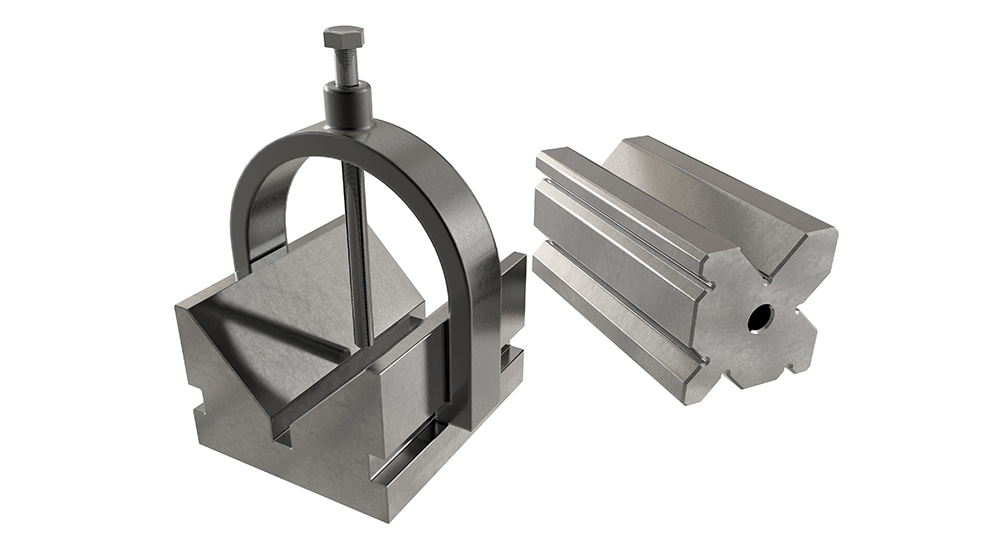
Assembly jigs are jigs used to determine the position and clamp details (or product parts) during the assembly process. Assembly jigs are divided into two types: universal assembly jigs and specialized assembly jigs.
The importance of using assembly jigs
Universal assembly jigs are often used in single-piece and small-batch production. These can be assembly tables, V-blocks, jigs, jacks and other types of details or auxiliary structures such as pads, wedges, jaws, bolts, etc.
The assembly table is made of cast iron, with T-shaped grooves on it to hold the mounting object. The assembly table is placed on a platform 100 to 200 millimeters above the ground and must be precisely adjusted to the horizontal plane.
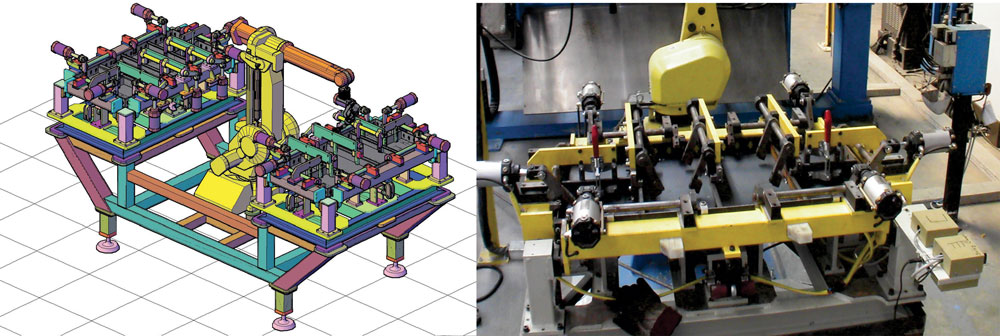
V blocks and jigs are used to fix base parts during assembly. On the positioning surface of the V block and jig, smooth holes are machined for the clamping bolts.
Jacks are used to support and lift heavy or bulky objects.
Specialized assembly jigs are widely used in large batch and mass production.
In general, based on the function used, assembly jigs have the following main functions:
Used to clamp base details during assembly: Ensure base details do not move under the influence of forces generated during assembly. In addition, it also allows to increase labor productivity during assembly.
Used to quickly and accurately position assembly objects: Workers do not have to waste time determining the exact position of assembly objects, because they have been positioned on the jig with the necessary number of degrees of freedom.
Technical specifications of the car seat assembly jig
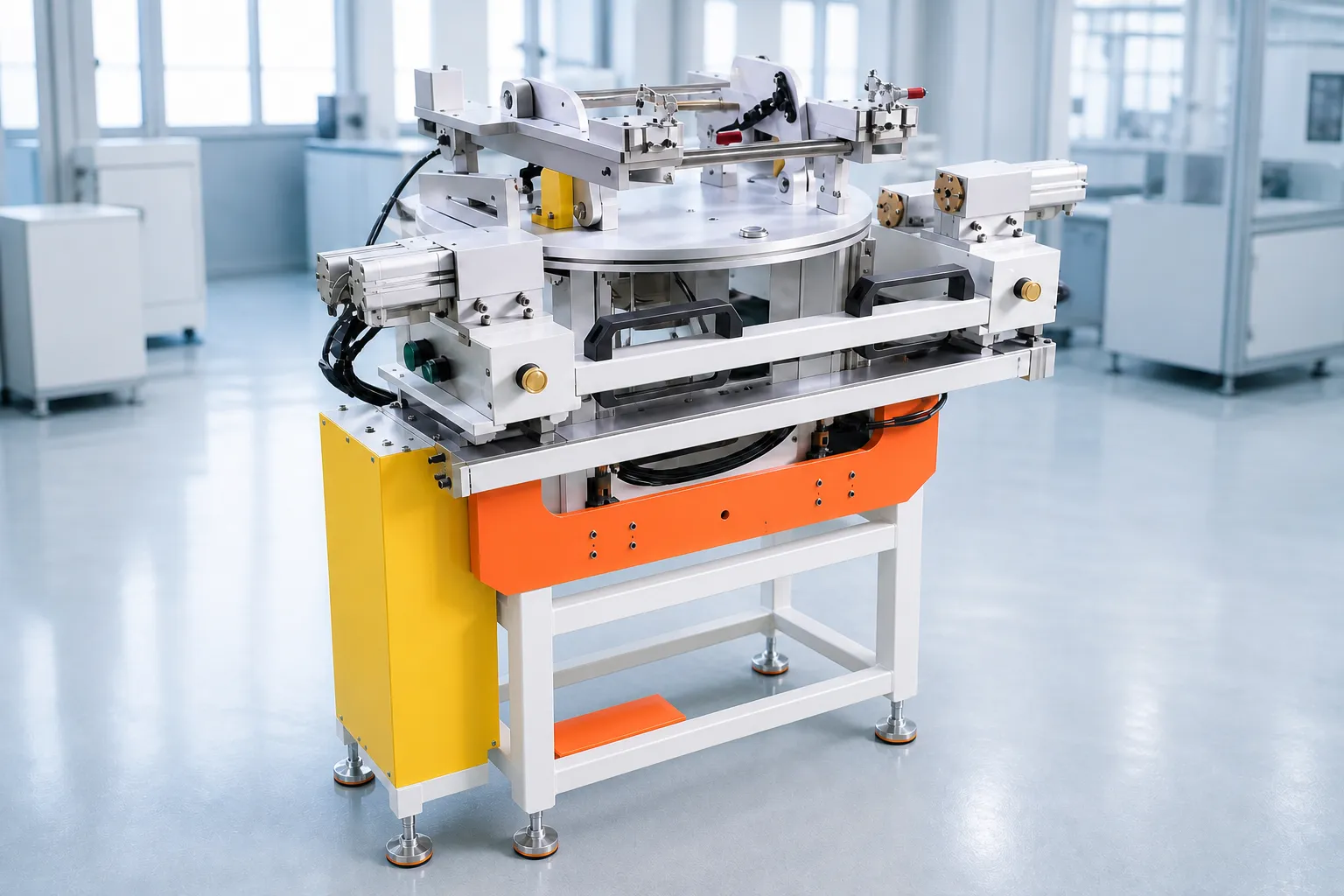
| Jig weight | < 50 kg |
| Machining accuracy | ±0.01 mm |
| Pneumatic pressure | < 6 bar |
| Assembly completion time | 60 seconds |
| Rotating mechanism | Smooth rotation, simple operation |
| Product securing mechanism | Position-locking pin to prevent rotation and secure the product during movement |
| Assembly operation | Easy product assembly and operation |
| Product-contact components | High durability and wear resistance |
| Operating safety | Ensures operator safety |
Design, manufacturing and use process of the car seat assembly jig
The design and manufacturing process of the Automotive Seat Assembly Jig is carried out step by step to ensure that the jig is suitable for the product, meets accuracy requirements, and provides convenient operation during the assembly process. Depending on the product characteristics and production line requirements, the process may include the following main steps:
- Jig design: Based on the product drawings, technical requirements, and assembly method, technicians design a suitable jig. The design defines the overall dimensions, positioning points, clamping mechanism, rotating mechanism, and product-contact components. The jig must ensure accurate positioning, secure fixation, and convenient operation for the operator.
- Jig manufacturing: Once the design is finalized, the jig components are machined according to the required dimensions and tolerances. Depending on the structure and intended application, the jig can be manufactured using suitable materials such as steel, aluminum, engineering plastics, or other specialized materials. After machining, the components are assembled into a complete jig.
- Inspection and adjustment: After manufacturing, the jig is inspected for dimensions, positioning accuracy, clamping mechanism, and operating performance. A sample product is placed in the jig to evaluate assembly accuracy, product fixation, and ease of operation. If any deviations or unsuitable points are identified, the jig is adjusted before being put into official use.
- Assembly and trial run: After completion and adjustment, the jig is used for trial assembly. Operators perform actual operations such as placing, positioning, clamping, and removing the product. This stage helps evaluate the jig's suitability for the actual assembly process and identify any issues that require improvement.
- Finalization and mass production of jigs: After the prototype jig has been tested and confirmed to meet the technical requirements, the design is finalized based on actual test results. The jigs are then machined and assembled in batches to meet the required quantity for the production line. Manufacturing based on a validated design helps ensure consistency among the jigs.
- Maintenance and servicing: During operation, the jig should be inspected and maintained regularly to maintain its accuracy and stable performance. Components such as the clamping mechanism, positioning pins, rotating mechanism, and product-contact parts should be checked for wear, tightness, and proper operation. If any components are worn or damaged, they should be adjusted or replaced promptly.
Benefits of the automotive seat assembly jig in production
The use of an assembly jig helps standardize product positioning, securing, and assembly processes while supporting operators in performing assembly tasks more conveniently and accurately. Key benefits include:
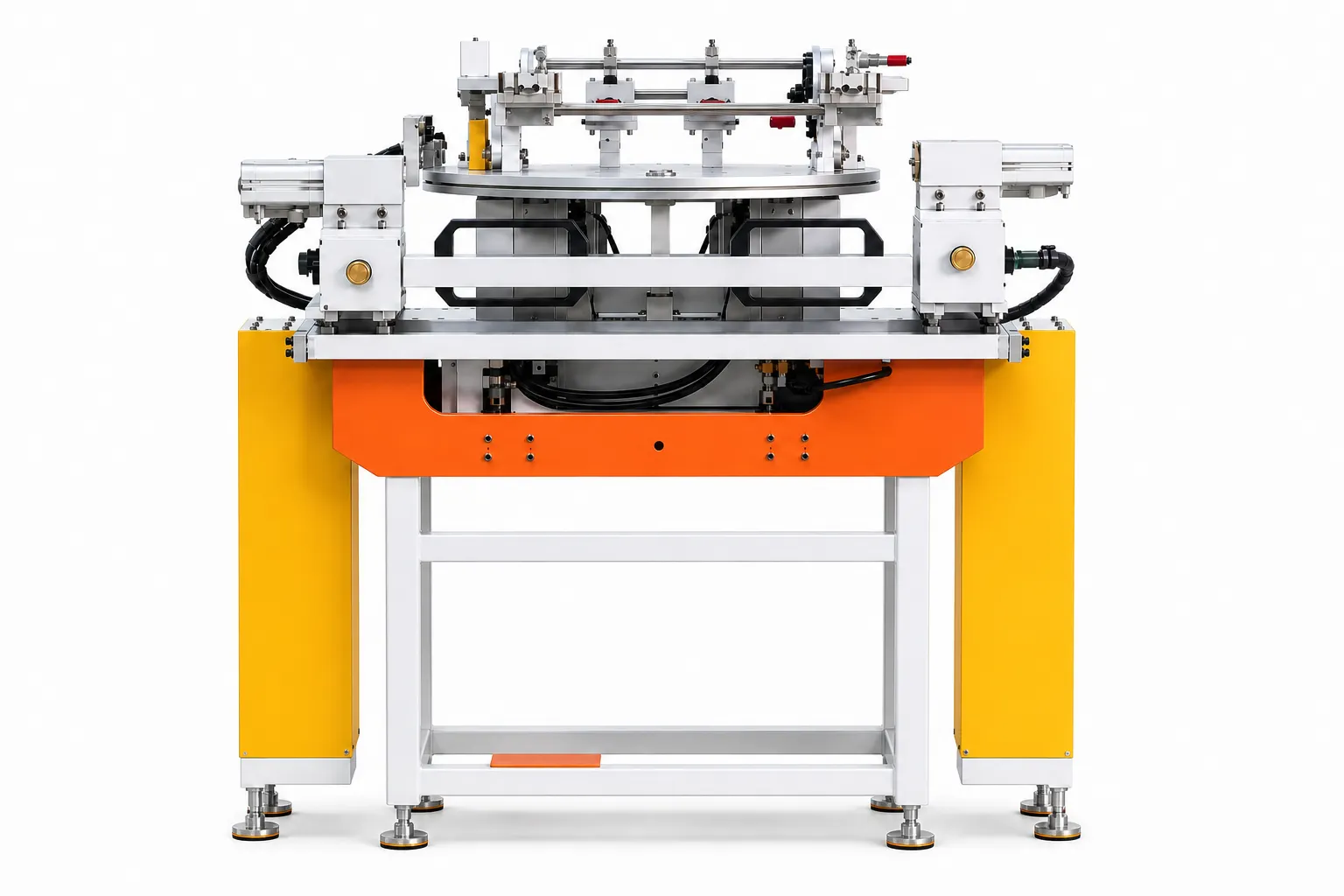
- The jig helps position and secure the product accurately, reducing the time required for manual adjustment before assembly operations. For products with large dimensions, multiple components, or heavy weight, the jig can be combined with lifting, clamping, and rotating mechanisms to make handling faster and more convenient.
- The positioning points and clamping mechanisms are designed according to the product requirements, helping minimize incorrect positioning or orientation of components. This reduces the risk of assembly errors and minimizes the need to remove, readjust, or repeat the assembly operation.
- The jig is machined according to the required dimensions and tolerances, allowing precise control of component positions during assembly. In particular, for products with stringent requirements for position, dimensions, or concentricity, the jig helps maintain accuracy in accordance with technical standards.
- Using the same jig for multiple assembly cycles helps create relatively consistent positioning and operating conditions among products. This supports more stable quality control across individual products and production batches.
- For large or heavy components, the jig can be integrated with lifting, rotating, or clamping mechanisms to assist operators. This makes product positioning and assembly more convenient while reducing dependence on manual handling.
- The jig secures the product during assembly, helping prevent unwanted movement or rotation. When combined with suitable clamping mechanisms and locking pins, the equipment contributes to a safer and more stable working environment for operators.
- The positioning, clamping, and operating points on the jig are designed according to a defined process, allowing operators to perform tasks in a consistent sequence. This also provides a basis for standardizing the assembly process and supporting high-volume production.
- During operation, components such as positioning pins, clamping mechanisms, rotating mechanisms, and product-contact parts can be inspected, adjusted, or replaced when necessary. Regular maintenance helps maintain the jig's accuracy and stable performance over the long term.
The car seat assembly jig is a solution that supports manufacturers in improving the stability and efficiency of the assembly process. The equipment helps control product positioning, facilitates operator handling, and ensures that assembly operations are carried out according to a consistent sequence. When properly designed and manufactured, the jig can meet requirements for accuracy, safety, and long-term usability. Regular inspection, adjustment, and maintenance also help maintain the jig's operating performance throughout the production process. Depending on the requirements of each product and production line, the jig can be customized in terms of structure, positioning mechanisms, and operating methods. It is a suitable solution for supporting process standardization and improving assembly efficiency in automotive seat manufacturing, researched and developed by CNC VINA.
Customers who need to design and manufacture specialized jigs on request, please contact:
VIETNAM CNC & TECHNOLOGY APPLICATION JOINT STOCK COMPANY
Factory: Song Cung Industrial Site, Dong Thap Commune, Dan Phuong District, City. Hanoi Vietnam
Phone: +84.915 74 4664 / +84.915 74 0880 Fax: +84.24.37805007
Website: www.cncvina.com.vn; www.cncvina.net
Email: Sales01@cncvina.com.vn / Sales03@cncvina.com.vn


