 Tiếng
Việt
Tiếng
Việt
 Tiếng
Anh
Tiếng
Anh
 Tiếng
Nhật
Tiếng
Nhật




 Tiếng Anh

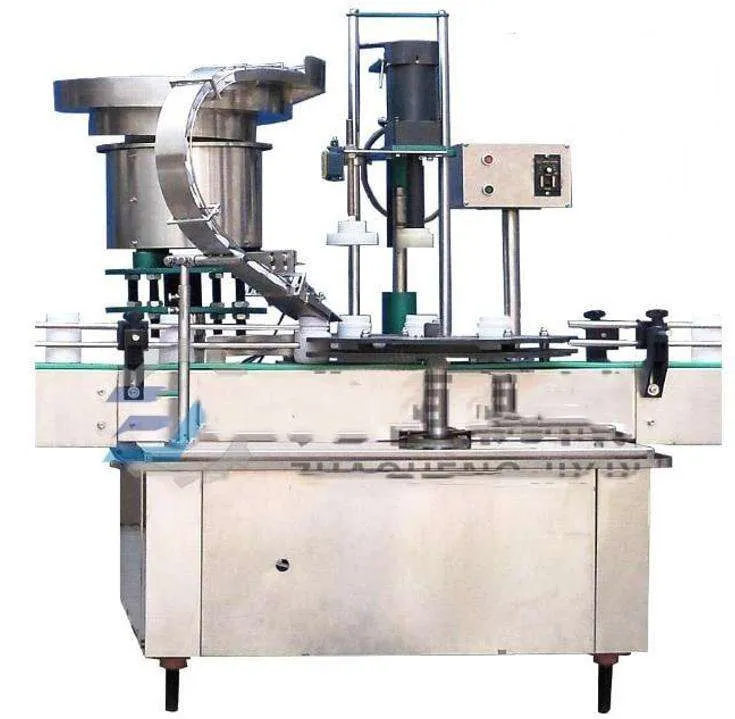
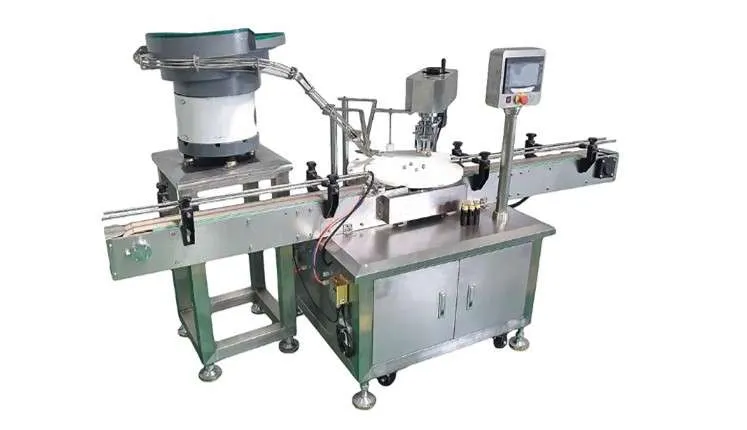
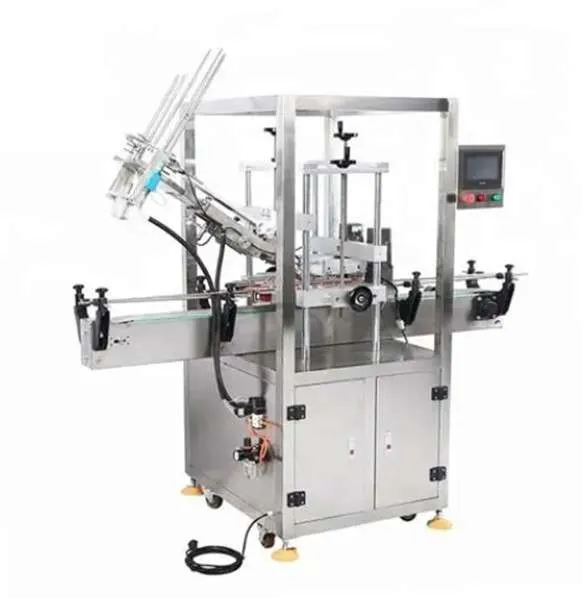
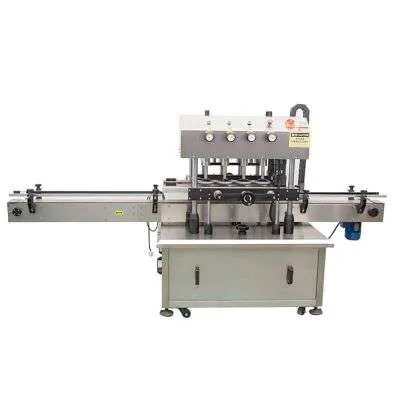
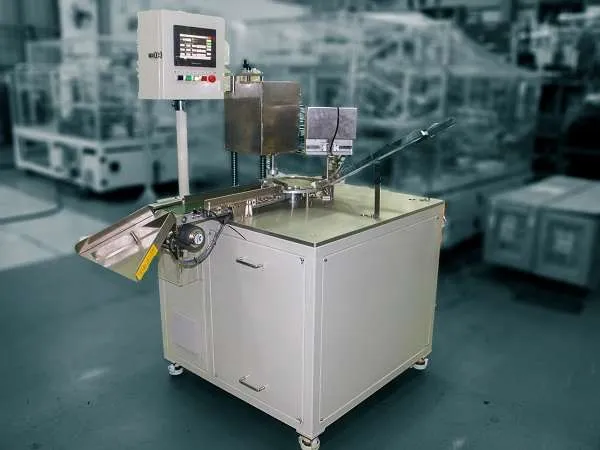
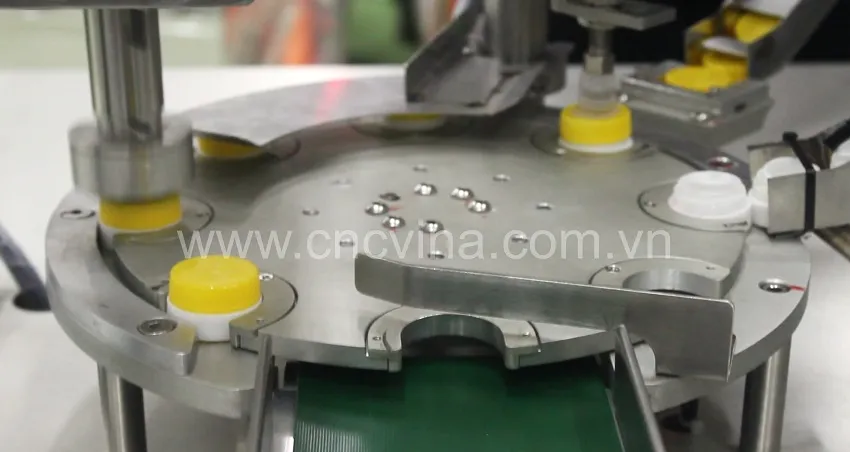
Automatic bottle capping machine
Automatic bottle capping machines are widely used in large-scale manufacturing enterprises because they have high working efficiency, increasing productivity and labor efficiency.
For a long time, the industry of manufacturing bottles containing food, cosmetics, water and liquids has developed very strongly with large output and variety of designs. Plastic and glass bottles/jars such as beverages, foods, pharmaceuticals and cosmetics... require the use of automatic or manual bottle cap tightening machines.
Machines for capping plastic bottles, iron bottle caps, threaded bottle caps, and cork buttons are designed and manufactured by CNC-VINA to ensure the technical requirements and investment costs of all customers.
VIETNAM CNC & TECHNOLOGY APPLICATION JOINT STOCK COMPANY
Hotline: +84.916 63 9355 / +84.915 74 4664
Email: Sales01@cncvina.com.vn / Sales03@cncvina.com.vn
Product description

Automatic bottle capping machine – CNC VINA
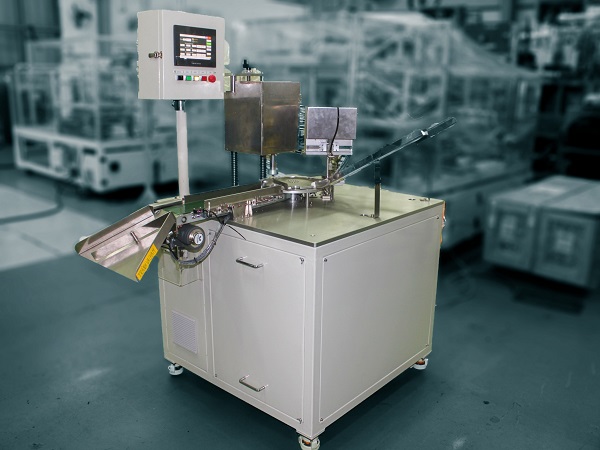
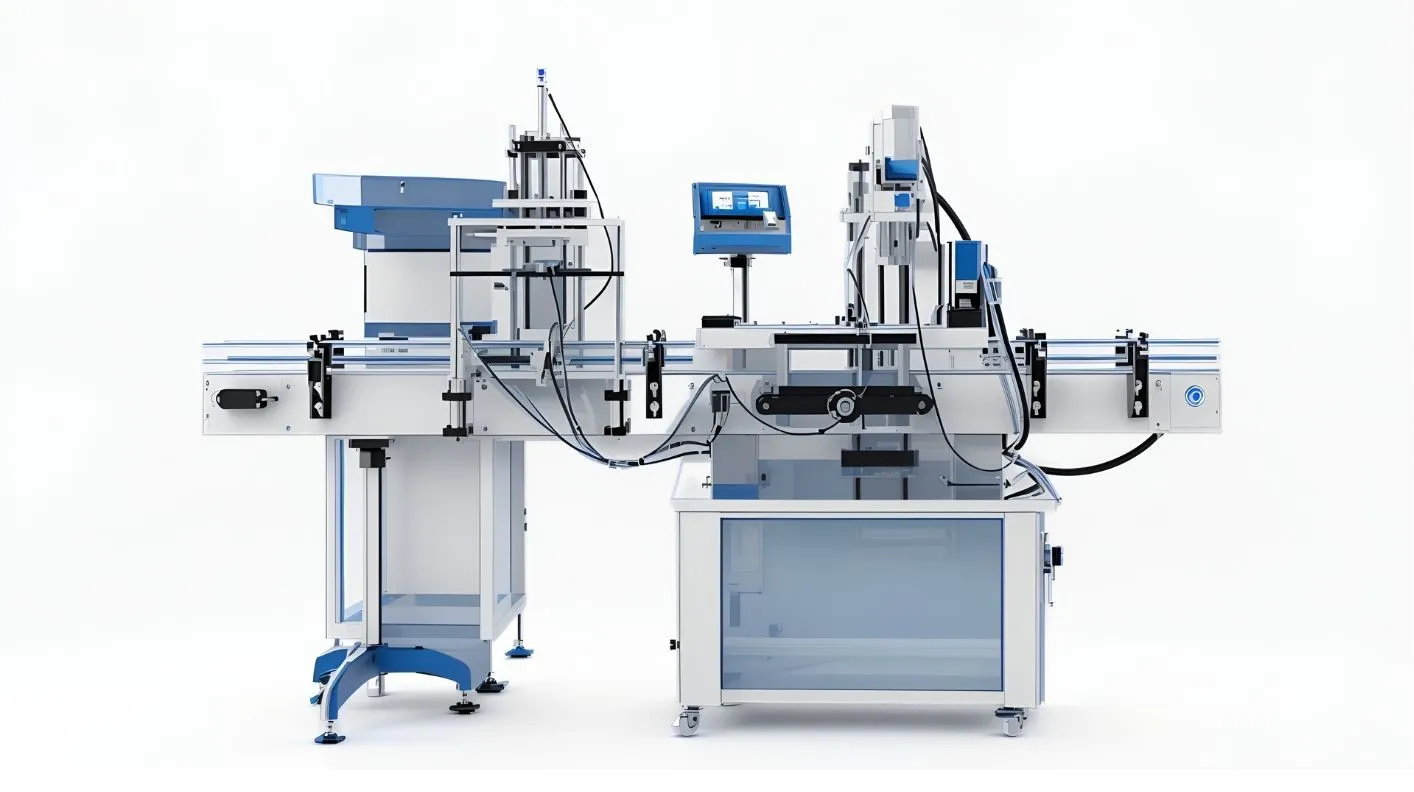
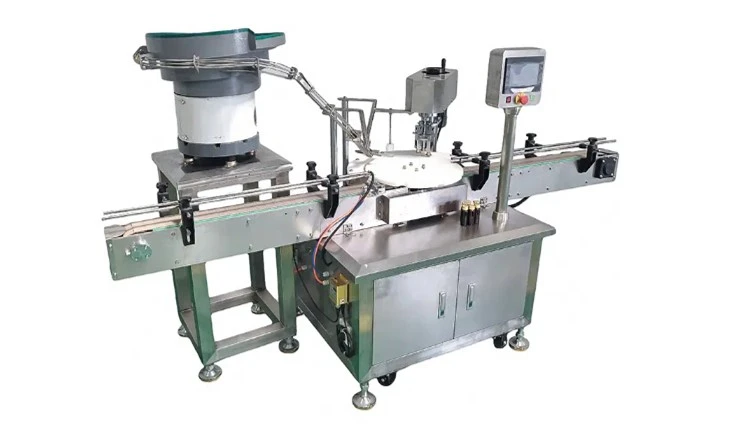
The automatic bottle capping machine is a specialized piece of equipment designed to automate the cap feeding and capping process in production lines. The machine automatically positions bottles at the capping station, feeds caps, and tightens them according to preset operating parameters, helping reduce manual operations and maintain consistent production throughput. With a capacity of approximately 1,200–1,800 bottles per hour, the equipment is suitable for production lines that require automated capping to improve operational efficiency and process consistency. Depending on the bottle type, cap specifications, and production line requirements, the machine configuration can be adjusted to suit specific operating conditions. CNC VINA provides automatic bottle capping solutions to support production automation across a wide range of manufacturing applications.
In this article, let's explore with CNC VINA the different types of bottle capping machines available and how to determine the most suitable solution for your production requirements.
Technical specifications of the automatic bottle capping machine
| Parameter | Specification |
|---|---|
| Power Supply | AC 110 V – 50 Hz / AC 220 V – 50 Hz |
| Machine Dimensions | L1500 × W500 × H1600 mm |
| Power Consumption | 1.5 kW |
| Applicable Bottle Height | 38–300 mm (customizable) |
| Air Pressure | 0.3–0.5 MPa |
| Production Capacity | 1,200–1,800 bottles/hour |
| Machine Weight | 250 kg |
| Color | Customizable |
The above specifications serve as a basis for evaluating the equipment’s suitability for each production line. During the consultation process, factors such as bottle dimensions, cap type, required production capacity, and machine layout should be considered together to determine the most appropriate configuration.
Construction of the CNC VINA automatic bottle capping machine
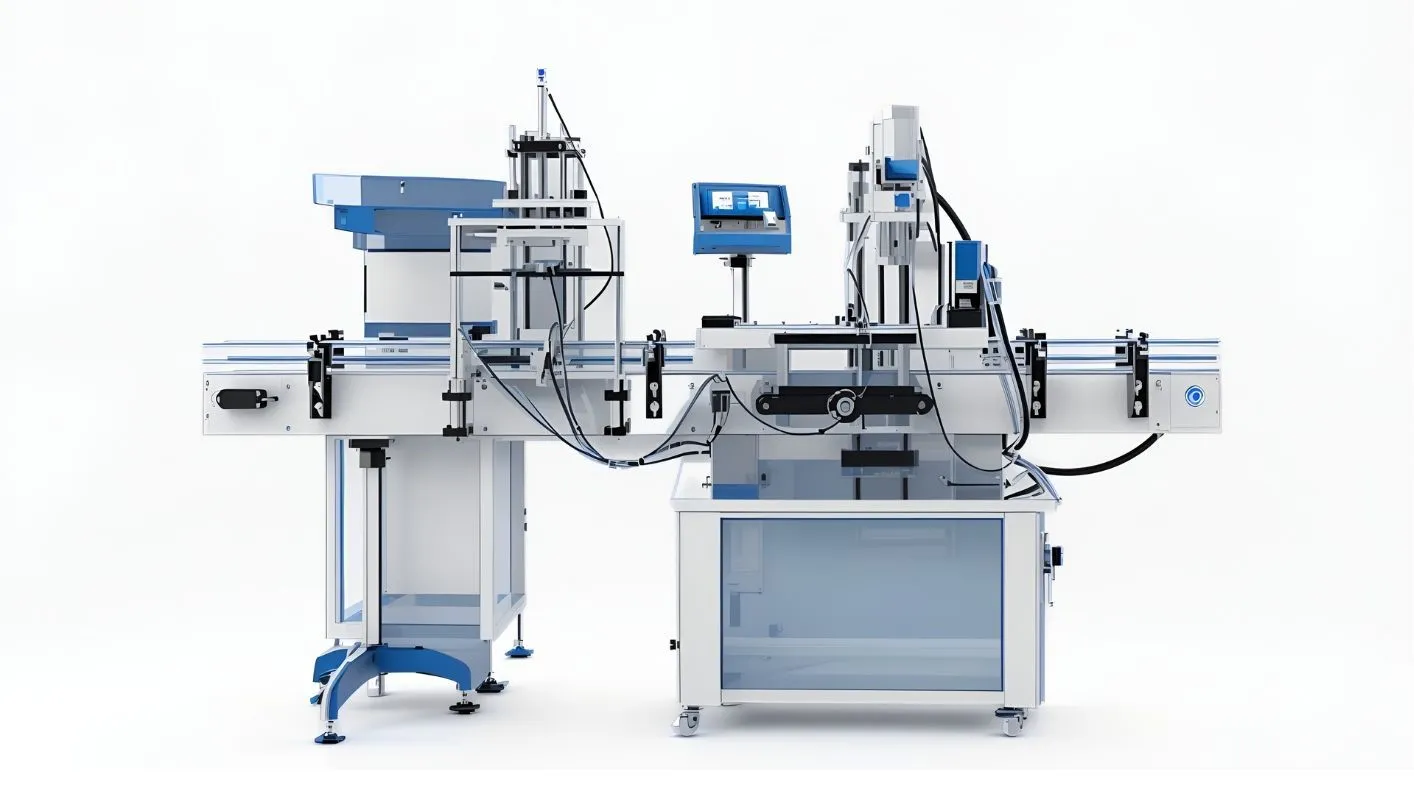
The automatic bottle capping machine is designed with multiple coordinated mechanisms to automatically perform bottle conveying, cap feeding, and cap tightening in a sequential process. The main components of the machine include the cap sorting and feeding unit, conveyor system, bottle cap screwing mechanism, and motion mechanism.
Cap sorting and feeding unit
The cap sorting and feeding unit is responsible for orienting and supplying caps in the correct position before they are transferred to the capping area. Stable and consistent cap feeding helps prevent incorrectly oriented caps or cap shortages during machine operation.
Conveyor system
The conveyor system transports bottles through the capping area. During the conveying process, bottles are positioned appropriately for cap placement and tightening.
Bottle cap screwing mechanism
This is the main mechanism responsible for the actual capping operation. Once the bottle and cap are correctly positioned, the screwing mechanism tightens the cap according to the machine settings, helping maintain consistent sealing across products.
Motion mechanism
The motion mechanism coordinates the movements required for bottle feeding, cap feeding, positioning, and capping. The coordinated operation of these mechanisms allows the machine to run through an automated cycle while maintaining stable performance throughout production.
Working principle of the automatic bottle capping machine
The automatic bottle capping machine operates according to a predefined cycle controlled by the machine’s control system. Once the appropriate operating parameters have been configured, the machine coordinates its mechanisms to bring the bottle and cap into the correct positions before performing the capping operation.
The basic operating sequence is:
Bottle feeding → Bottle conveying → Positioning → Cap feeding → Cap tightening → Product discharge
Bottles are fed onto the conveyor system and transported to the capping area. At the same time, the cap sorting and feeding unit orients the caps correctly and transfers them to the required position. Once the bottle and cap are properly aligned, the screwing mechanism performs the cap-tightening operation. After capping is completed, the finished bottle continues along the conveyor and exits the capping area for the next stage of the production line. Automating this process reduces the number of manual operations required from operators while helping maintain a more consistent capping speed compared with a fully manual process.
Advantages of the automatic bottle capping machine
Automates the capping process
The automatic bottle capping machine replaces most manual operations involved in positioning and tightening caps on bottles. Instead of operators repeatedly placing caps, holding bottles, and manually screwing each cap into place, the machine performs these operations according to a predefined cycle configured through the control system. This is particularly beneficial for production lines with high output volumes, where the capping process may be repeated thousands of times during each production shift. Automation also helps make the packaging process more continuous and consistent. Operators no longer need to perform every capping operation manually and can instead focus on material feeding, machine monitoring, product inspection, and handling unexpected situations. This helps reduce the workload associated with repetitive tasks and enables manufacturers to allocate labor resources more efficiently.
Maintains consistent capping productivity
According to the specified configuration, the CNC VINA automatic bottle capping machine offers a production capacity of approximately 1,200–1,800 bottles per hour. This capacity allows the equipment to meet the automation requirements of capping operations for production lines with suitable output demands. Compared with fully manual capping, machine operating speed is less dependent on individual operator strength, handling technique, and the ability to maintain a consistent working pace. However, actual production capacity depends not only on the machine itself but also on factors such as bottle type, cap dimensions and design, bottle feeding speed, sealing requirements, and the layout of upstream and downstream equipment.
Therefore, when implementing the machine in an actual production environment, manufacturers should define their target output and provide bottle and cap samples so that CNC VINA can evaluate compatibility and recommend the appropriate machine configuration.
Improves capping consistency
With manual capping, tightening force and cap positioning may vary from one product to another due to differences in operator technique. Insufficient or excessive tightening can result in loose or over-tightened caps, while incorrect positioning may affect finished product quality and the consistency of the packaging process. The automatic bottle capping machine performs bottle positioning and cap tightening through dedicated mechanisms, helping maintain consistent capping operations across products. Effective control of this process is particularly important for products requiring stable sealing performance during storage and transportation. Depending on the cap type and product requirements, the capping mechanism may need to be configured and adjusted accordingly to achieve the desired operating performance.
Reduces manual operations and optimizes labor utilization
One of the most noticeable benefits of an automatic bottle capping machine is the reduction of repetitive manual operations. On high-volume production lines, continuously placing and tightening caps on individual bottles not only consumes time but also requires operators to perform the same repetitive motion for extended periods. By automating the capping process, operators can focus on higher-value tasks such as quality inspection, material replenishment, equipment monitoring, or coordinating with other stages of the production line. This allows manufacturers to optimize labor allocation rather than focusing solely on reducing the number of workers.
Integrates into production lines
The automatic bottle capping machine does not necessarily have to operate as a standalone unit. It can be integrated into a complete packaging line together with processes such as filling, bottle feeding, labeling, and downstream packaging. When properly integrated, bottles can be continuously transferred between processes with minimal manual intervention. To ensure synchronized operation with the entire production line, factors such as conveyor speed, working height, bottle dimensions, cap feeding position, and the requirements of connected equipment must be considered. This is why selecting a machine based on the actual production process is generally more effective than choosing equipment based solely on a single capacity specification.
Applications of the automatic bottle capping machine
The automatic bottle capping machine is used in the packaging finishing stage after products have been filled into bottles. The equipment is particularly suitable for production lines using bottles with caps that can be automatically positioned and tightened, helping manufacturers reduce manual operations and maintain a consistent packaging rate. Depending on the product characteristics, bottle design, and cap type, the machine can be selected or configured to meet the specific requirements of each production line.
Food and beverage industry
In the food and beverage industry, capping is an important packaging operation performed after products have been filled into bottles. An automatic bottle capping machine can be used for liquid products packaged in bottles with cap designs compatible with the machine’s screwing mechanism, such as certain bottled beverages and liquid food products. Automating this process allows bottles to pass through the capping area according to a standardized sequence, reducing dependence on manual operations and helping maintain production line throughput. For each specific product, bottle dimensions, thread type, cap diameter, and required tightening torque should be evaluated to determine compatibility with the machine.
Cosmetics industry
Cosmetic products packaged in bottles or containers commonly use a variety of cap designs, including screw caps, dispensing caps, and other specialized closures. For products using screw-type caps compatible with the machine, an automatic bottle capping machine can be installed downstream of the filling process to complete the capping operation before the products proceed to subsequent stages. The machine helps make the capping process faster and more consistent, which is particularly useful for manufacturers producing multiple products on the same production line. However, cosmetic packaging comes in a wide range of sizes and designs, so actual bottle and cap samples should be evaluated before selecting the appropriate capping mechanism.
Chemical industry
For chemical products packaged in bottles or containers with compatible cap designs, an automatic bottle capping machine can be used to tighten caps after filling. Automating this process helps reduce direct operator handling of product containers and creates a more consistent packaging workflow. For products that require tightly sealed packaging to minimize leakage during storage and transportation, selecting the appropriate cap type and tightening mechanism is particularly important. Manufacturers should therefore clearly identify the product characteristics, bottle material, cap type, and sealing requirements before designing or selecting the machine.
Bottled product production lines
In addition to specific industries, the automatic bottle capping machine can be integrated as one stage of a complete bottled-product production line. The machine can be positioned downstream of a filling machine or product feeding system and connected to subsequent processes such as labeling, visual inspection, and packaging. This arrangement reduces the need for workers to manually handle products between production stages. For manufacturers developing a fully automated production line, synchronizing the capping machine with the operating speed of other equipment helps prevent bottle accumulation or insufficient bottle supply at individual stations.
Products using screw caps
For products using threaded caps, screw capping is one of the most common methods for completing the packaging process. The machine positions the cap onto the bottle neck and tightens it using a dedicated screwing mechanism, significantly reducing manual operations during production. However, not all bottles and caps can use the same machine configuration. Cap diameter, bottle height, neck design, packaging material, and required tightening torque can all affect machine compatibility. Therefore, manufacturers are advised to provide actual bottle and cap samples to CNC VINA before placing an order so that the technical team can evaluate the samples and recommend a suitable solution.
Common types of bottle capping machines
By operating principle
Screw capping machine: A screw capping machine uses a rotary mechanism to generate torque and tighten the cap onto the threaded neck of the bottle. Before the capping operation, the cap feeding system delivers the cap to the correct position and places it onto the bottle opening. The bottle is then conveyed to the capping station. During this process, a cap stabilizing mechanism helps keep the cap properly positioned, while clamping belts or positioning mechanisms hold the bottle securely and prevent movement during tightening. As the bottle passes through the capping station, rotating heads or discs come into contact with the cap and apply torque to tighten it along the bottle neck thread. Depending on the machine design, multiple tightening heads may be arranged sequentially to complete the capping process and maintain consistent tightening force across products. This type of capping system is suitable for bottles using threaded caps and is commonly selected for production lines requiring stable and continuous capping performance.
Chuck-type screw capping machine: Similar to a screw capping machine, this equipment uses a vibratory bowl feeder and cap distribution system to supply caps to the correct position before the capping operation. The key difference is that a chuck-type screw capping machine typically uses a star wheel to transfer and position each bottle accurately beneath the capping head. This mechanism keeps the bottles stable during the capping process while allowing the machine to operate at high speed and maintain consistent spacing between products.
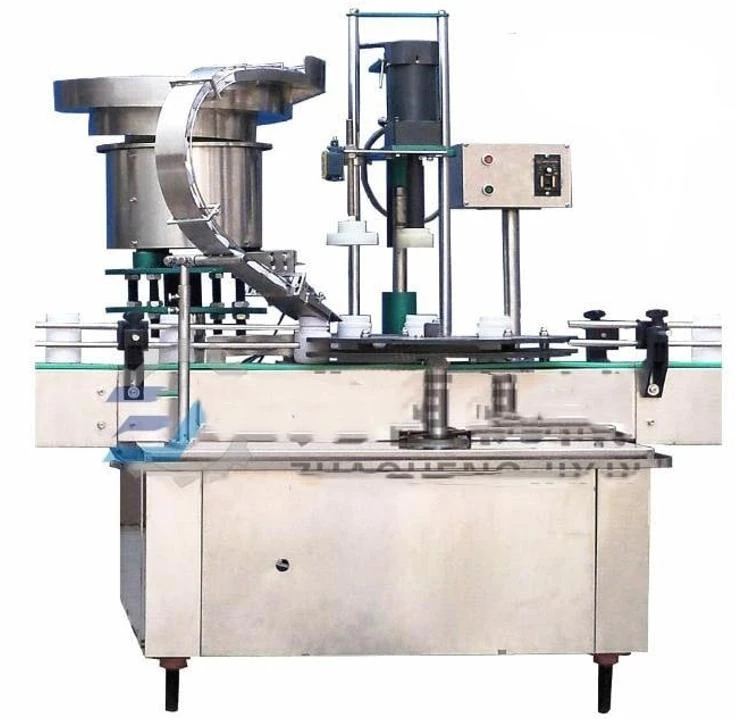
When the sensor detects that a bottle has reached the correct position, such as the area directly beneath the chuck head, the capping mechanism moves downward and engages with the cap that has already been placed on the bottle neck. The chuck head then applies clamping force and transmits torque to tighten the cap according to the preset parameters, ensuring that the cap is securely and consistently fastened on each bottle. Once the capping operation is completed, the star wheel transfers the finished bottle out of the capping position and continues conveying it to the next stage of the production line.
ROPP capping machine: A ROPP (Roll-On Pilfer-Proof) capping machine uses a roller mechanism to form threads directly onto an aluminum cap during the bottle sealing process. ROPP caps are initially supplied as unthreaded aluminum caps. After being positioned over the bottle neck, the caps are pressed and formed by the rolling heads to conform to the thread profile of the bottle neck. This process securely fixes the cap in place while providing an effective seal and tamper-evident protection after capping.
Unlike certain capping machines that use a conventional screwing mechanism, a ROPP capping machine does not rely primarily on torque transmission to tighten a pre-threaded cap. Instead, it forms the threads on the cap through a controlled rolling and forming process. The machine can be configured with multiple capping heads to meet the required production capacity and maintain stable line performance.
However, adapting the machine to different cap sizes may require adjustments to the capping mechanism and operating parameters. Therefore, when selecting a ROPP capping machine, manufacturers should consider cap dimensions, bottle neck diameter, bottle material, and bottle rigidity to ensure a stable thread-forming process while minimizing deformation or damage to the packaging.
By application
Bottle, can, and jar capping machines: These machines are used to securely close bottles, cans, and jars to protect products during storage, transportation, and use. They are widely applied in the food, beverage, cosmetics, chemical, and other industries that use bottle, can, or jar packaging. Proper capping helps prevent dust and contaminants from entering the product while reducing the risk of leakage during storage and transportation.
Tin can capping machines: These are specialized machines designed to securely close containers using tin or metal caps. They can be used in various industries, particularly food, beverage, and other applications requiring metal packaging. Depending on the cap type, container dimensions, and sealing requirements, the machine can be equipped with a suitable capping mechanism to ensure stable and consistent sealing performance.
By level of automation
Based on the level of automation, bottle capping machines can generally be divided into three main categories: manual capping machines, semi-automatic capping machines, and automatic capping machines. Each type offers a different level of operator involvement, production capacity, and integration capability, making them suitable for different production scales.
Manual capping machines: The operator performs most of the capping operations, including positioning the bottle, placing the cap, holding the product, and activating the capping mechanism. These machines typically feature a relatively simple structure, are easy to operate, and are suitable for small-scale production facilities or applications requiring frequent changes between different product types. Since the process relies heavily on operator handling, production capacity and capping consistency may vary depending on the operator’s working speed.
Semi-automatic capping machines: These machines combine operator intervention with the machine’s capping mechanism. The operator typically places the bottle and cap in the correct position, after which the machine performs the capping or tightening operation according to the configured mechanism. Compared with manual capping, semi-automatic machines help reduce repetitive operations, improve process consistency, and increase production capacity, making them suitable for production facilities with moderate output requirements.
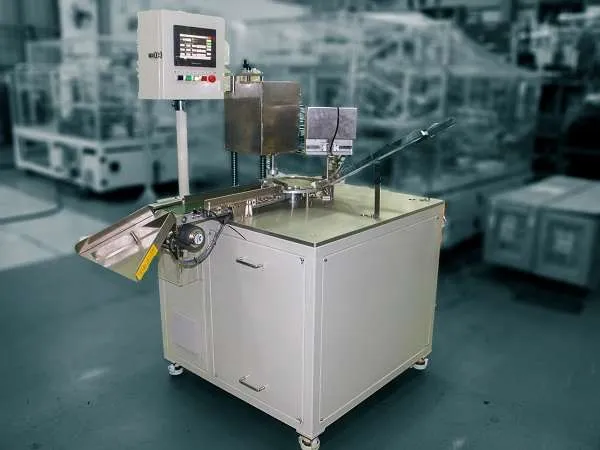
Automatic capping machines: These machines automate most stages of the capping process, from positioning and conveying bottles to cap feeding, capping or tightening, and discharging finished products from the working area. Operators are still responsible for tasks such as supplying materials, monitoring machine operation, inspecting product quality, and handling unexpected issues. With the ability to integrate with conveyors and other equipment within a production line, automatic capping machines are suitable for high-volume manufacturing environments that require stable production capacity and reduced dependence on manual operations.
Benefits of the automatic bottle capping machine
The automatic bottle capping machine is a solution for automating the container sealing process after filling, reducing reliance on manual operations and maintaining stable production capacity throughout the manufacturing process. Instead of manually placing and tightening each cap, the machine can continuously perform bottle positioning, cap feeding, and capping according to the configured operating mechanism. This makes the machine suitable for production lines requiring high-volume capping and consistent results across products.
Automates the capping process
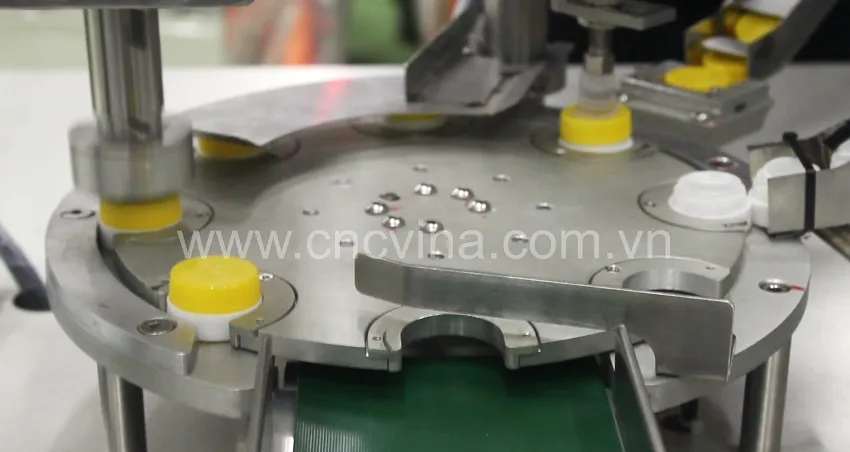
In manual capping operations, operators have to perform repetitive tasks such as placing the cap, aligning its position, and tightening it for each bottle. As production volume increases, the workload can make capping speed inconsistent and may result in variations between products. The automatic bottle capping machine mechanizes most of these operations. Bottles are conveyed into the capping area through the conveyor system, then positioned and capped according to the machine’s mechanism. Operators mainly handle material replenishment, machine monitoring, and output quality inspection, significantly reducing repetitive manual operations.
Maintains stable capping productivity
One of the key benefits of an automatic capping machine is its ability to maintain a stable operating speed throughout the production process. Based on the machine’s reference specifications, its production capacity can reach approximately 1,200–1,800 bottles/hour, depending on the bottle type, cap type, conveyor speed, and actual production line configuration.
Maintaining stable production capacity allows manufacturers to better manage production schedules, particularly when the capping process is connected to upstream and downstream equipment such as filling machines, labeling machines, or packaging systems. However, actual production capacity should be evaluated using specific bottle and cap samples, as packaging dimensions, shape, and required tightening torque can directly affect operating speed.
Improves capping consistency
When caps are applied manually, tightening force and cap positioning may vary from one operation to another. If the tightening force is inappropriate, the cap may be too loose, too tight, or incorrectly positioned, affecting sealing performance and product consistency. The automatic bottle capping machine uses a capping mechanism configured according to the requirements of each product, helping ensure a more stable capping process. When the bottle, cap, and machine mechanism are properly matched, the equipment can help maintain consistent cap positioning and tightening force across products. This is particularly important for high-volume production lines with strict quality control requirements.
Reduces manual operations and optimizes labor utilization
Automating the capping process reduces the number of operations that workers need to perform directly on individual products. Instead of continuously placing and tightening caps, operators can focus on higher-value tasks such as material replenishment, visual inspection, machine monitoring, and handling unexpected situations within the production line.
This not only reduces the workload for operators but also helps manufacturers allocate labor more efficiently as production volume increases. The actual labor savings will depend on the automation level of the overall production line, required production capacity, and the number of processes integrated into the system.
Integrates into production lines
The automatic bottle capping machine can be positioned after the filling process and before subsequent stages such as labeling, inspection, or packaging, depending on each manufacturer’s production workflow. When synchronized with the conveyor system and related equipment, the machine enables continuous bottle conveying and capping while reducing the need to manually transfer products between production stages. To ensure proper integration, manufacturers should consider factors such as conveyor height, bottle dimensions, cap type, conveying speed, and cap feeding method. Selecting the appropriate machine configuration from the beginning helps ensure stable operation and allows the equipment to perform effectively within the actual production line.
Supports improved production efficiency
Automating the capping process enables manufacturers to better control production speed, process stability, and operational continuity. Reducing manual operations while minimizing variations during the capping process can help decrease the number of products requiring additional inspection or rework due to capping errors.
Therefore, an automatic bottle capping machine does more than simply replace a manual operation. It also contributes to a more organized and synchronized production process. For facilities with medium to high production volumes, investing in an appropriately configured machine can help optimize production time and improve overall operational efficiency.
The automatic bottle capping machine is a solution that helps manufacturers automate cap feeding and tightening, reduce manual operations, and maintain stable production capacity. With a production capacity of 1,200–1,800 bottles/hour, an applicable bottle height of 38–300 mm, and a configuration consisting of a cap feeding system, conveyor system, bottle cap screwing mechanism, and motion mechanisms, the equipment can meet various capping requirements depending on the actual machine configuration. When selecting a machine, manufacturers should consider the cap type, bottle dimensions, required production capacity, and compatibility with the existing production line. CNC VINA can provide consultation and manufacture a bottle capping solution tailored to each manufacturer’s product characteristics and automation requirements. Contact CNC VINA today for consultation on the appropriate automatic bottle capping machine configuration for your production line.
VIETNAM TECHNOLOGY APPLICATION & CNC JOINT STOCK COMPANY
Factory: Song Cung Industrial Point, Dong Thap Commune, Dan Phuong District, Hanoi, Vietnam
Office: Rox Tower (Rox Tower Goldmark City), No. 136 Ho Tung Mau Street, Bac Tu Liem District, Hanoi, Vietnam
Phone: +84.916 63 9355 / +84.915 74 4664
Website: https://cncvina.com.vn | https://cncvina.net | https://cncviname.com.vn